How to Maintain Your Construction Tools for Longevity and Performance
As a contractor, I often find myself in a race against time, juggling multiple projects while ensuring that my tools are always ready for action. One day, I received a call from a client who needed urgent repairs on a site, but when I reached for my trusty drill, it was barely functioning. This incident made me realize the importance of maintaining my construction tools for longevity and performance. In this article, I will share my journey and the lessons learned about keeping tools in top shape.
Understanding the Importance of Tool Maintenance
Tool maintenance is not just about keeping your equipment looking good; it’s about ensuring reliability and efficiency on the job. A well-maintained tool can save you time and money, preventing costly delays and repairs. When I first started in the construction industry, I underestimated the impact of neglecting my tools. I would often find myself in situations where a malfunctioning tool would set me back hours, affecting my reputation and client satisfaction.
Moreover, regular maintenance can extend the lifespan of your tools significantly. For instance, I learned that simply cleaning my tools after each use could prevent rust and corrosion. This small habit has saved me from having to replace expensive equipment prematurely. Understanding the importance of maintenance has transformed my approach to tool care, making it a priority rather than an afterthought.
Daily Cleaning and Inspection
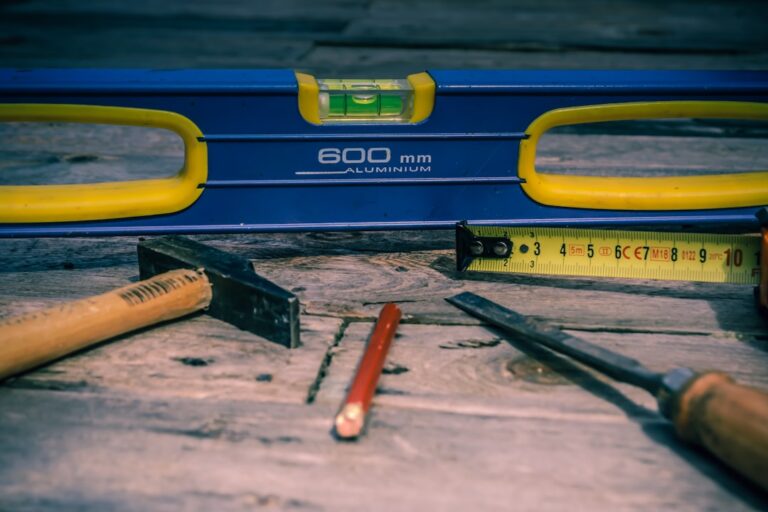
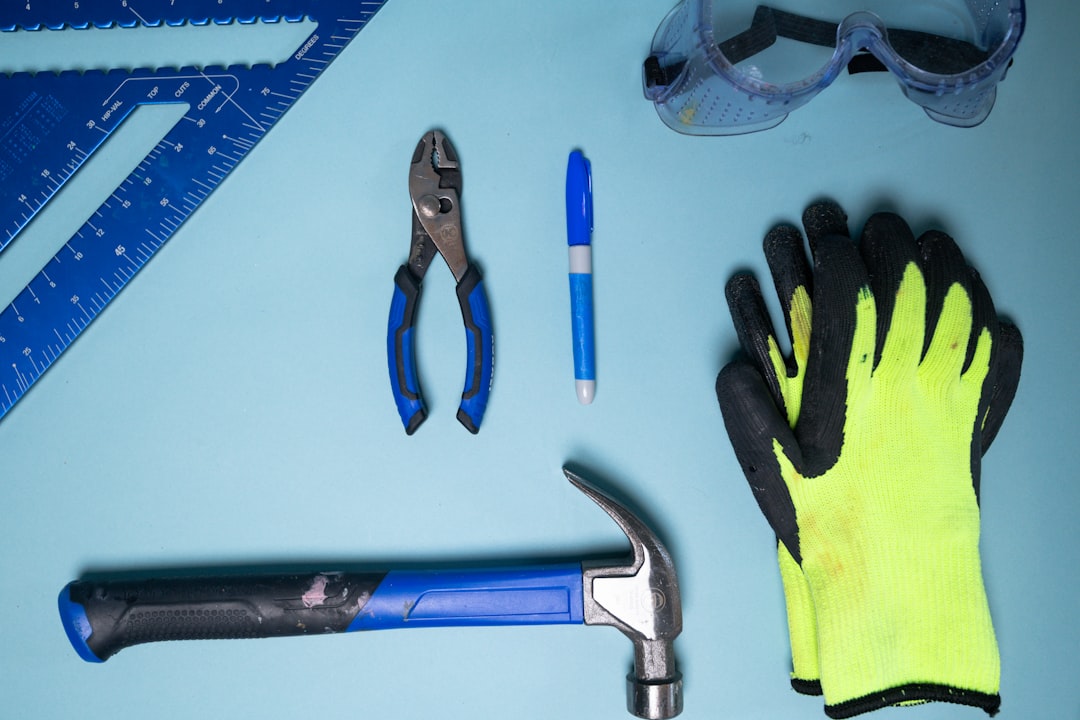
One of the simplest yet most effective maintenance practices is daily cleaning and inspection. After a long day on the job, I make it a point to clean my tools thoroughly. This involves wiping down surfaces, removing debris, and checking for any signs of wear or damage. I remember a time when I neglected this step, and the result was a clogged saw blade that caused delays and frustration. Now, I ensure that every tool is in optimal condition before storing it away.
Additionally, I inspect my tools for any loose screws, frayed cords, or other potential issues. This proactive approach has saved me from unexpected breakdowns during critical moments. By dedicating just a few minutes each day to cleaning and inspecting my tools, I have significantly reduced the risk of malfunctions and improved my overall efficiency on the job site.
Proper Storage Techniques
How you store your tools can greatly affect their longevity. I used to toss my tools into a toolbox haphazardly, but I quickly learned that this can lead to damage and disorganization. Now, I invest in proper storage solutions that keep my tools organized and protected. For example, I use padded cases for delicate equipment and wall-mounted racks for larger tools. This not only keeps my workspace tidy but also makes it easier to find what I need when I need it.
Moreover, I ensure that my tools are stored in a dry environment to prevent rust and corrosion. I once left a set of tools in a damp garage, and the damage was extensive. Since then, I’ve made it a habit to store my tools in a climate-controlled area whenever possible. Proper storage techniques have not only preserved my tools but have also improved my workflow by minimizing the time spent searching for equipment.
Regular Professional Servicing
While daily maintenance is crucial, I’ve also learned the value of regular professional servicing. Certain tools, especially power tools, require specialized care that goes beyond what I can do myself. I schedule routine check-ups with a local service provider who understands the intricacies of my equipment. This has proven invaluable, as they can identify issues that I might overlook and provide solutions that enhance performance.
For instance, after a professional servicing session, I noticed a significant improvement in the efficiency of my drill. The technician had cleaned the internal components and replaced worn-out parts, which made a world of difference. Regular professional servicing has become a key component of my maintenance routine, ensuring that my tools remain in peak condition and ready for any challenge.
Lesson Learned: Consistency is Key
Through my experiences, I’ve learned that consistency is key when it comes to tool maintenance. It’s easy to overlook maintenance when you’re busy, but the consequences can be detrimental. By establishing a routine that includes daily cleaning, proper storage, and regular professional servicing, I’ve been able to keep my tools in excellent condition. This not only enhances their performance but also gives me peace of mind knowing that I can rely on them when it matters most.
In conclusion, maintaining your construction tools is an investment in your business and your reputation. By prioritizing tool care, you can avoid unnecessary setbacks and ensure that you’re always prepared for the next project. Remember, a well-maintained tool is a reliable tool, and in the world of construction, reliability is everything.