Comparing Electric vs. Manual Tools: Which is Right for You?
In the world of construction, the choice between electric and manual tools can significantly impact efficiency, productivity, and overall project success. As the industry evolves, understanding the advantages and disadvantages of each type of tool becomes crucial for professionals and DIY enthusiasts alike. This article delves into the nuances of electric and manual tools, providing insights that can help you make informed decisions for your projects.
Understanding Electric Tools
Electric tools have revolutionized the construction industry, offering speed and precision that manual tools often cannot match. According to recent market statistics, the global electric tools market was valued at approximately $30 billion in 2021 and is projected to grow at a compound annual growth rate (CAGR) of 5.5% through 2028. This growth reflects the increasing reliance on electric tools for both professional and home improvement projects, driven by their efficiency and ease of use.
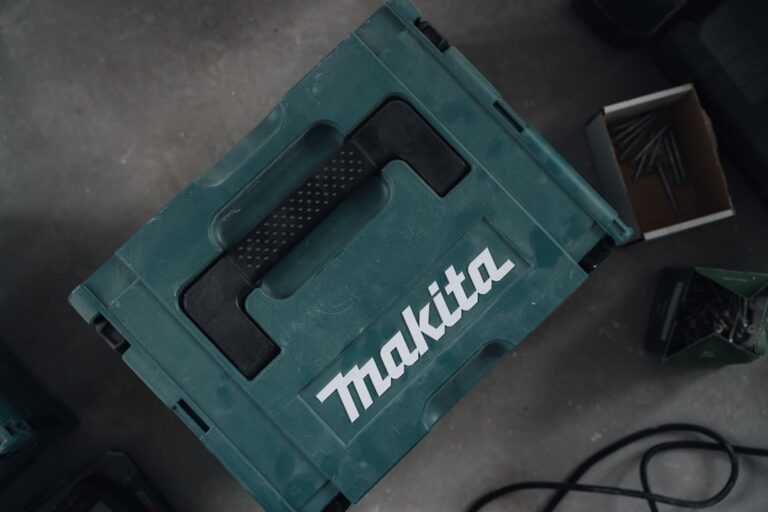
One of the primary advantages of electric tools is their ability to perform tasks quickly and with less physical effort. For instance, electric drills can bore holes in seconds, while manual drills may require significant time and energy. Additionally, electric tools often come equipped with advanced features such as variable speed settings and automatic shut-off, enhancing user control and safety. However, it’s essential to consider the initial investment and ongoing maintenance costs associated with electric tools, which can be higher than their manual counterparts.
The Case for Manual Tools
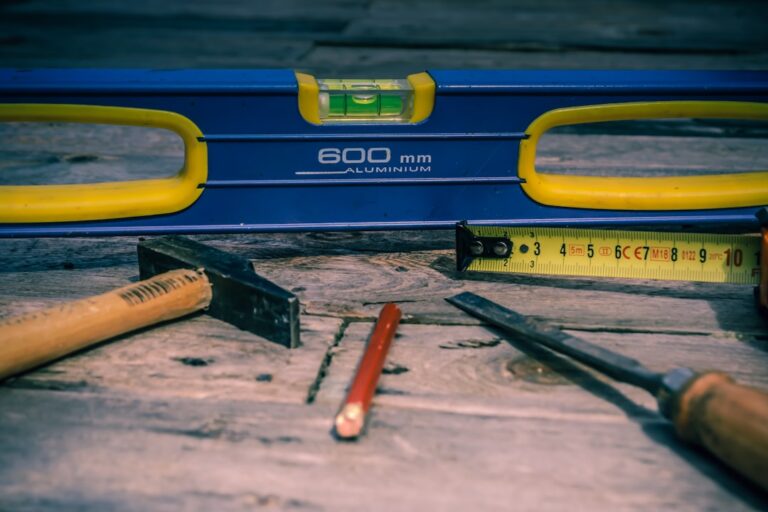
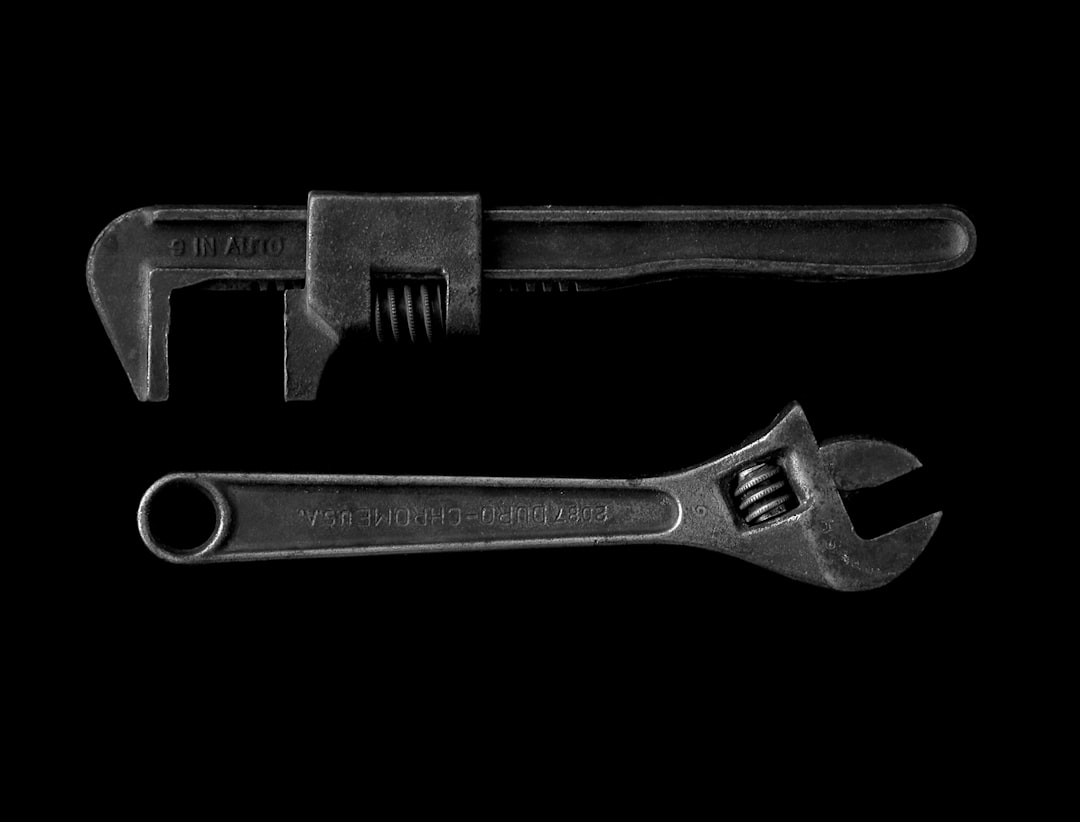
Despite the growing popularity of electric tools, manual tools still hold a significant place in the construction toolkit. Many professionals appreciate the simplicity and reliability of manual tools, which often require less maintenance and can be used in various environments without the need for power sources. Furthermore, manual tools tend to be more affordable, making them accessible for those just starting in the construction field.
Manual tools also offer a level of tactile feedback that many craftsmen prefer. The physical connection to the workpiece can enhance precision and control, particularly in detailed tasks such as woodworking or metalworking. Additionally, using manual tools can foster a deeper understanding of the materials and techniques involved in construction, allowing users to develop their skills more thoroughly. Key Insight: As the market for construction tools continues to evolve, the choice between electric and manual tools will largely depend on the specific needs and preferences of the user.
Comparing Performance and Efficiency
When it comes to performance, electric tools generally outperform manual tools in terms of speed and power. For example, an electric saw can cut through materials like wood or metal in a fraction of the time it would take a manual saw. This efficiency can be particularly beneficial in large-scale projects where time is of the essence. However, the reliance on electricity can be a drawback in remote locations or during power outages, where manual tools may be the only viable option.
On the other hand, manual tools can excel in precision tasks where control is paramount. For example, when working on intricate designs or delicate materials, the user can exert greater control over the cutting or shaping process with a manual tool. This level of precision can be crucial in achieving high-quality results, especially in custom projects. Ultimately, the choice between electric and manual tools should be guided by the specific requirements of the task at hand.
Cost Considerations
Cost is a significant factor when choosing between electric and manual tools. Electric tools often come with a higher upfront cost, but they can save money in the long run due to their efficiency and reduced labor time. For instance, investing in a high-quality electric drill may seem expensive initially, but the time saved on projects can lead to increased profitability for contractors and tradespeople.
In contrast, manual tools are generally more budget-friendly and can be a great option for those just starting in the construction industry. They require less investment and can be easily replaced if damaged. However, the trade-off is often in the time and effort required to complete tasks. Therefore, understanding your budget and project requirements is essential when deciding which type of tool to invest in.
Conclusion: Making the Right Choice
Ultimately, the decision between electric and manual tools depends on various factors, including the specific tasks, budget, and personal preferences of the user. While electric tools offer speed and efficiency, manual tools provide a level of control and affordability that can be equally valuable. By carefully assessing your needs and considering the insights provided in this article, you can make an informed choice that enhances your construction projects and overall productivity.
As the construction industry continues to evolve, staying informed about the latest tools and technologies will be crucial for success. Whether you opt for electric or manual tools, the key is to choose the right tool for the job, ensuring that your projects are completed efficiently and to the highest standards.